
And Protects Your Margins
Delivery failures don’t usually happen because of one major issue.
They happen because of small operational gaps that compound over time.
A driver arrives just outside the delivery window.
An address is slightly incorrect.
A route wasn’t optimized for traffic.
A dispatcher didn’t have visibility into a delay.
Individually, these seem manageable.
At scale, they become expensive.
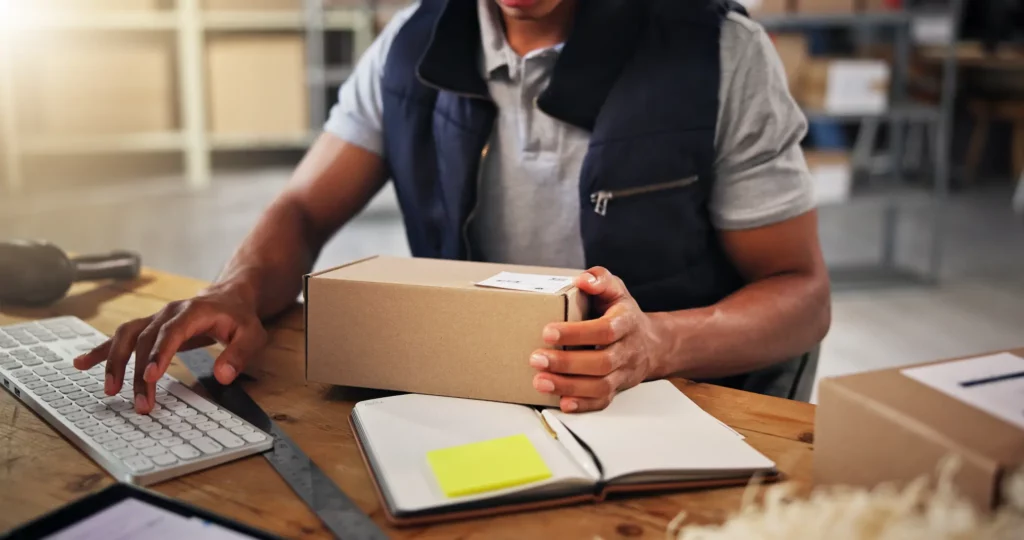
For courier operations running hundreds—or thousands—of deliveries per day, even a modest failure rate can quietly erode margins, strain teams, and damage customer relationships.
What separates high-performing courier operations from the rest isn’t effort.
It’s how effectively they eliminate these gaps using technology.
When delivery failures increase, the first instinct is often to look at drivers or dispatchers.
In most cases, the issue isn’t execution—it’s the system supporting that execution.
As courier operations grow, complexity increases:
More deliveries with tighter service windows
More variables affecting routing and timing
More customer-specific requirements
More variables affecting routing and timing
Without the right technology in place, teams are forced to manage this complexity manually.
And that’s where failures begin to creep in.
Dispatchers are making hundreds of decisions per day.
Drivers are working with incomplete or outdated information.
Customers are left guessing when deliveries will arrive.
The operation becomes reactive instead of proactive.
Delivery failures don’t start at the doorstep.
They start much earlier in the workflow.
Often, the root causes include:
Inefficient routing that creates avoidable delays
Manual dispatching that leads to suboptimal driver assignments
Limited visibility into real-time delivery progress
Disconnected systems that introduce data errors
Lack of communication between dispatch, drivers, and customers
These issues aren’t always obvious in isolation.
Together, they increase the likelihood that something will go wrong on delivery.
Modern courier platforms don’t just help you manage deliveries—they fundamentally change how decisions are made across your operation.
Instead of relying on manual coordination, these systems introduce automation, real-time data, and intelligent workflows into every stage of delivery.
The result is fewer surprises, fewer delays, and fewer failed deliveries.
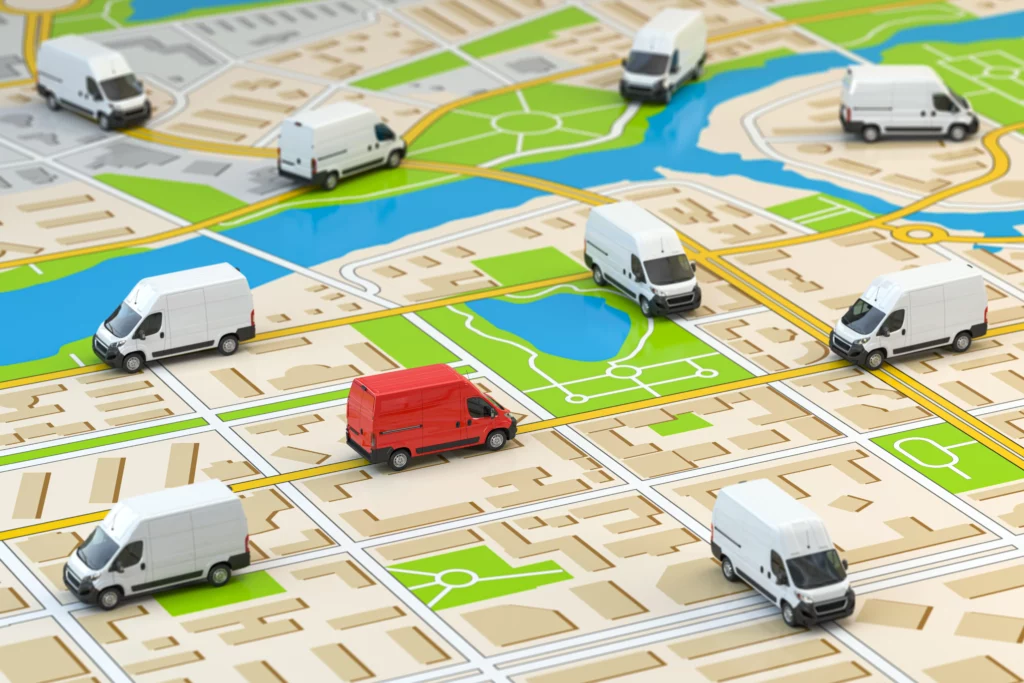
Routing is one of the most significant drivers of delivery success.
When routes are planned manually—or with limited tools—dispatchers are forced to make trade-offs without full visibility into:
Traffic conditions
Stop density
Delivery time windows
Driver capacity
Modern routing engines remove that guesswork.
They continuously evaluate these variables and build optimized routes that reduce unnecessary mileage and prevent late arrivals.
This alone can dramatically improve first-attempt success rates, because drivers are simply arriving at the right place at the right time more consistently.
Manual dispatch introduces variability.
Even experienced dispatchers can only process so much information at once.
As delivery volume increases, the likelihood of small mistakes increases with it:
Assigning a job to the wrong driver
Overloading a route
Missing a priority delivery
Automated dispatch systems eliminate much of this risk by making assignment decisions based on real-time data.
Instead of reacting to issues, the system is constantly optimizing:
Which driver should take each job
How workloads should be balanced
How routes should adjust throughout the day
This creates a more stable operation—one where fewer things fall through the cracks.
One of the biggest contributors to delivery failures is a lack of visibility.
If dispatch doesn’t know a driver is running behind, there’s no opportunity to fix the issue before it impacts the delivery.
Modern courier platforms provide a real-time operational view of:
Driver locations
Route progress
Delivery statuses
Potential delays
This allows teams to intervene early.
A delivery that might have failed can be rerouted, reassigned, or communicated to the customer before it becomes a problem.
That shift—from reactive to proactive—is one of the most important changes technology enables.
Drivers can only perform as well as the information they’re given.
Incomplete delivery details, unclear instructions, or outdated information often lead to failed attempts.
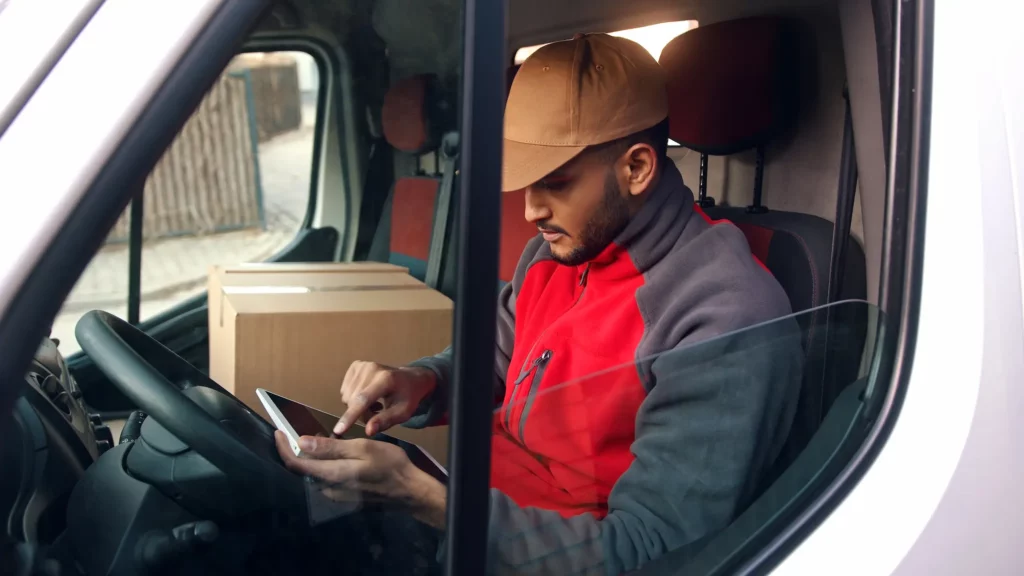
Driver-facing technology solves this by centralizing everything a driver needs in one place:
Navigation
Delivery instructions
Customer notes
Proof of delivery tools
When drivers have clear, accurate, and accessible information, execution improves naturally.
Failures caused by confusion or missing details begin to disappear.
Many delivery failures have nothing to do with routing or driver performance.
They happen because the recipient isn’t ready.
This is where customer communication becomes critical.
Modern courier platforms automate this process with:
Delivery notifications
Real-time ETAs
Arrival alerts
When customers know when a delivery is coming, they’re far more likely to be available.
That simple improvement can significantly increase first-attempt delivery success rates—without changing anything about the route itself.
In many operations, data errors are a silent contributor to delivery issues.
Incorrect addresses.
Missing instructions.
Manual entry mistakes.
These issues often originate from disconnected systems.
When order data flows through multiple platforms without proper integration, errors are introduced along the way.
Modern courier systems solve this by integrating directly with upstream systems—ensuring that delivery data is accurate from the start.
Fewer errors at the input stage means fewer failures at the delivery stage.
Delivery failures aren’t just operational inconveniences.
They have a direct impact on profitability.
Every failed delivery introduces additional cost:
Re-delivery attempts
Extra fuel and labor
Dispatcher intervention time
Customer service overhead
At scale, these costs add up quickly.
Even small improvements in first-attempt success rates can lead to meaningful gains in:
Operational efficiency
Driver productivity
Customer satisfaction
Overall margins
For growing courier operations, reducing delivery failures isn’t just about fixing problems.
It’s about removing barriers to scale.
When operations are built on manual processes, growth introduces risk:
More deliveries increase the chance of failure
More drivers increase complexity
More customers increase expectations
Technology changes that dynamic.
By automating decisions, improving visibility, and standardizing workflows, courier platforms allow operations to grow without increasing failure rates.
That’s what separates companies that plateau from those that continue to scale efficiently.
Schedule a walkthrough to see how our courier technology can reduce delivery failures and improve operational performance.
Ready to boost efficiency, cut costs, and simplify your day-to-day?
Pick a time that works for you, and let’s chat about your business goals.



Ready to boost delivery efficiency, cut costs, tighten compliance, and simplify your day-to-day?
Our team is standing by to discuss your business needs and help lay out a plan for intelligent, autonomous delivery management.
Pick a day and time that works for you, and let’s chat about your goals.
Thank you for opting in.